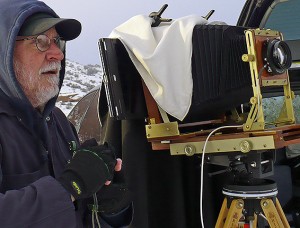
Well. . . that was a cheap shot, but maybe it got your attention. Care and maintenance of your photo equipment is something that is important. Take care of your equipment, and it will take care of you. We use a lot of gear that is made of wood. We spend a lot of time outside in harsh environments. But, all of our equipment needs protection from the elements. We wax everything. Wood, metal, plastic. . . they all get a generous application of wax.
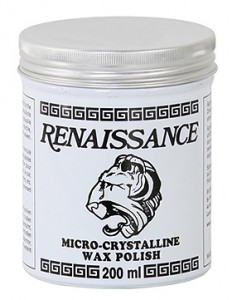 Wax keeps moving parts moving smoothly and a well waxed surface is easier to keep clean. Dirt and contaminants do not stick to a waxed surface. A slick, waxed surface is easier to keep clean. Also moisture is not as much a problem. I can say that we wax most everything except the lenses.
So, what kind of wax should you use on your expensive equipment? We use only the highest quality Microcrystalline waxes on our gear. Microcrystalline waxes are far and away, the finest wax you can use.
They offer excellent resistance to moisture, food acids, alcohols, moderate temperatures and are pH neutral naturally. Another benefit is that they will not show fingerprints on treated surfaces. Microcrystalline waxes also dry crystal clear, never yellow, leave no chalky residue and resist dust as well!
What brand of Microcrystalline wax do we use? RENAISSANCE WAX-POLISH has been the #1 choice of museums, art galleries and institutions for the preservation of precious items for over forty years. Professional conservators, retailers, restorers and private individuals throughout the world depend on RENAISSANCE WAX to protect their collections and for in home use.
All I can say is, this stuff is great and highly recommended. It is SAFE to protect all of these Materials:
Wood; raw & finished. Leather, Parchment & Paper. Metal; Silver, Silver Plate, Gold, Copper & Copper Alloys (Bronze, Brass, Tin, Zinc, German Silver, Nickel), Lead & Pewter, Iron & Iron Alloys, Tin & Tin Alloys. Damascus; Stone, Marble, Onyx, Limestone, Granite, Brick, Tile, Terrazzo, Obsidian, Alabaster; Gems, Glass, Porcelain, Holloware, Bone, Ivory, Horn, Shell & Mother-of-Pearl, Gutta Percha. Dammars; Gilding & Gold Leaf, Patinas. Enamel, Lacquer, Japanning, Cloute, Pose d’Or, Pique Point, Varnish, Marbleizing, Stains & Artificial Graining. Plastics, Formicas, Paints, Polyvinyl Acetates, Esters of Polymethyacrylic, Polycyclohexanones, Fiberglas Epoxy Resins, and much more!
Guess you can say that we are sold on Microcrystalline RENAISSANCE WAX. You can find it at most woodworking supply stores and on line. A quick Google search will turn up a lot more information. Well worth the cost and time it takes to apply. A little “Wax On. . . Wax Off” and you are good to go most anywhere.