 NOTE: I wrote this little rant over a year ago and never published it. Guess it got lost among all the other posts and I have just resurrected it today. I know I am repeating some things here, but I do so only to make my point. My views have not changed.
I am forever asked, why the wet darkroom? Why would you want to work with film and photographic paper when you can just click the mouse and let the magic box (computer) create a visual paradise? I am perpetually searching for the answer. . . an answer that makes sense to me, and at the same time explains why to those that ask. I have to begin by saying that nothing is ever as it is advertised. Those that have something to sell always tout how easy it is when you buy their products. If you are looking for quick and easy, then photography may not be for you, matters not what the hype says. In all of those slick commercials and magazine ads things just fall into place without any effort. Everyone has a big smile on their face and all is well. Can this be reality?
A lot of what we see today is a continuation of the biggest lie ever told about photography back in the early days of the medium. George Eastman, founder of Eastman Kodak Company, came up with a catchy slogan when he introduced the Kodak camera in 1888. His little box camera was the first camera intended for the general public and his slogan was simply, “You Press The Button, We Do The Rest.” This catch line implies that the person making the photograph need do nothing but be there, of course with a Kodak camera, and that person need know nothing, nor do anything, other than press the button and send money to Kodak. This slogan was a work of sheer genius. It made photography easily accessible to the general public and made ‘ol George very wealthy. There is absolutely nothing wrong with any of this, except for that little phrase, which implies that the operator hardly even be present. Anyone that has used a camera knows for themselves that there is more to it than just pressing that little button.
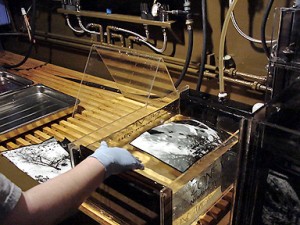 Now I can mention the next biggest lie ever told about photography, this one somewhere in the early 21st century. I am not sure exactly where this came from, but I venture to say it came from large corporate marketing gurus, better known as Harvard MBA’s. When you have large companies run by people that know nothing about the products they produce, you have idiots at the helm. They worship at the altar of the share holders and the quarterly report. Enough said! The next big lie in photography is, “Film Is Dead.” I still believe this was nothing but a marketing ploy to guide the easily persuaded customer to purchase more equipment and new technology. This time based on the layman’s misunderstanding that the computer can do anything with only the click of the mouse. You need do nothing, but supply the money. The old slogan could have been upgraded to read, “You Press The Button, The Computer Does The Rest.” I believe that by now, anyone that has tried this knows, again from hard experience, that it just isn’t that easy. No matter what the hype from any manufacturer, there is no quick and easy way to photographic success.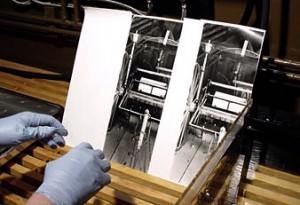
Having said all of this, I feel that the art of photography is something that requires dedication and perseverance. You have to choose your tools carefully and make sure you have the correct tools for your creativity. I have my own opinions as to the validity of what I do and why I do it in a way that suits me. For what I am about to say I have been belittled, scorned, laughed at, and cursed. Makes no difference to me. Anyone small-minded enough not to accept and respect my choices make no difference in the grand scheme anyway. My father used to say that people that use curse words have a narrow vocabulary and an even narrower mind. So my favorite description as to the validity, use, and purpose of digital imaging. . . there I said that word, Digital. . . is to simply say, “It Is Only Another Art Form.” Simple as that! Choosing the wrong medium will turn into nothing but a waste of your time.
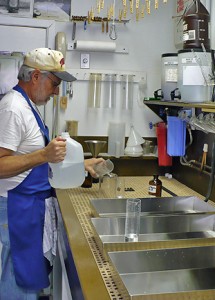 Digital imaging is not a replacement for anything. It is its own entity, has its own strengths and weaknesses. If you choose to work in the Digital arts, good for you! If you are a hybrid photographer, shooting film, scanning and printing digitally, then great for you! If is suits you and you are happy with what you create, then that is just fine with me. If whatever you create suits you, no matter what the medium, then you are on the right path. But, whatever you do, Do Not belittle me for not buying into the farce that Digital is a replacement for Film! And please do not propagate this lie to others that are new to photography. You are doing them a great disservice by funneling them into believing there is only one path. Nothing is more degrading and discouraging than to find out, much later, that you could have done something else that was much more to your liking. People need choices, and need to be able to see all of the different options that are available in the world of photography. One size does not fill all.
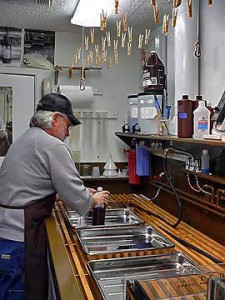
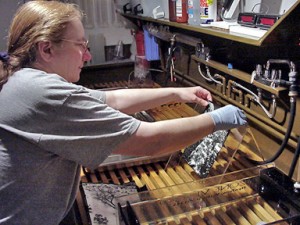
I realized I still have not answered the question, why the wet darkroom? All I can honestly say is, this is my choice. This is what I choose to do with my life. I can also say without reservation, that for me, a computer screen, keyboard and mouse comprise a place to work. This is where I go to get things done, find information, communicate, write (like this little rant) and to get my days work accomplished. This is not a place for me to create art. There is nothing artistic for me in front of a digital display. I do not feel anything artistic sitting at my desk, and creating art does not happen if I am not in that mood. I see the computer as a place for 100% left brain activities. When I go into the darkroom and close the door, I am immediately in right brain mode. This is where I create. Same as when I duck under the darkcloth behind that view camera. That little LCD screen on my snapshot camera is just for record keeping. There is nothing artistic there for me either. This is how I think. This is how I work. And this is the best I can do to describe why. If you find digital motivating and productive, then by all means use it to your best advantage. I find nothing about it in any way creatively stimulating for me. That is my choice. Do not belittle me if you do not agree. Creativity is fragile and is only where you find it. Use it wisely!
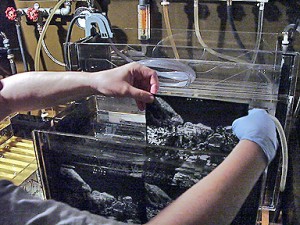
One more thought. I am not on a crusade to convert the world to film. I am only on a quest to try and show everyone that there are choices. . . that the wet darkroom is still alive. If you are interested, you can still choose the medium that best suits you. Matters not whether it is the mouse or the photo tray. What is really important is that everyone knows there is a choice and they should be aware of the strengths and weaknesses of each. To be boxed into that one size fits all world is not good for anyone. Hopefully by now you understand why I choose to work in the wet darkroom.
And, one more final thought. Just in case you believe the hype that film is gone forever, take a look at my earlier post titled, “FILM IS NOT DEAD.” You can special order both B&W and Color film in any size imaginable! No matter what photographic medium you use, the next time someone asks you about photography, do not propagate the lie that film is dead.
JB
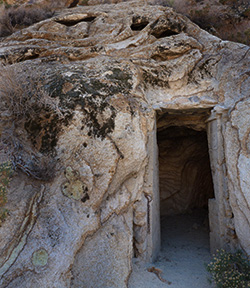 We went on another December and early January expedition to the Southwest again this year. This time we trekked to California and the Eastern Sierra, then backtracked to Utah to visit some of our favorite places to photograph. We saw mild weather and very cold weather on our journey. We had blue skies, cloudy skies, rain and snow. Susan and I shot a lot of film, and now it is time to get the notes in order and begin the darkroom work.
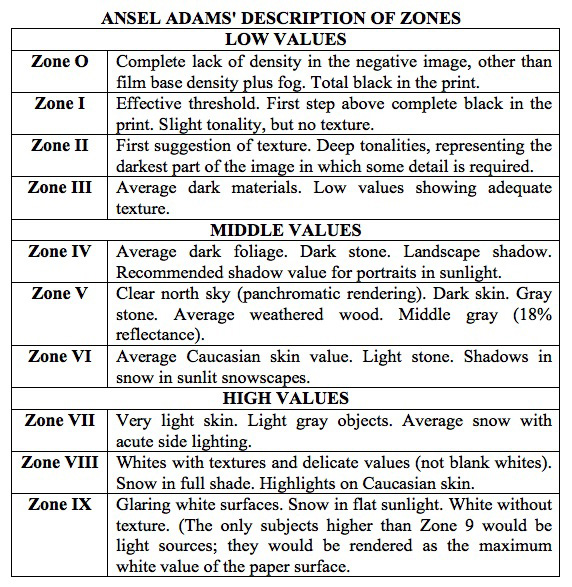
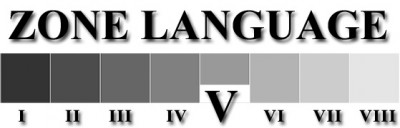 The Zone System is always a controversial subject among serious B&W photographers. Seems there are numerous versions and sub-versions of the system devised by Ansel Adams and Fred Archer. Each artist must choose what works best for them. Like most everything in photography, it is a very personal choice.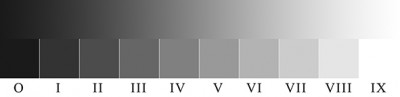

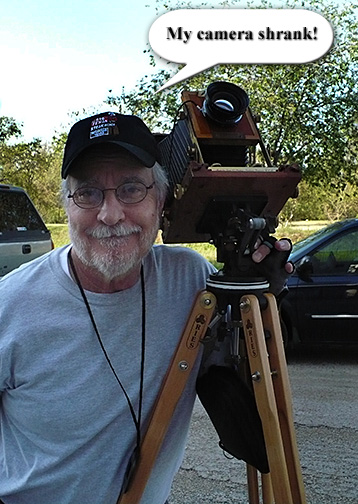 See why these film cameras could help you with your photography skills as well. Metering, composing, keystoning, and hyperfocusing will be discussed and demonstrated. It will be a fun morning!
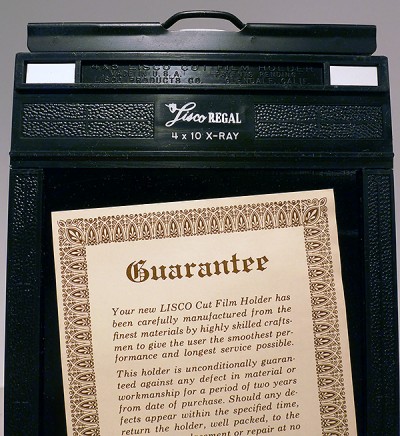
 Even way back then I kept a notebook with all of my darkroom procedures laid out in a step-by-step fashion. This way I knew I would always do things exactly the same. I used the same graduates, arranged in the same order every time. Developing film is a one shot deal. Make a mistake and that is all she wrote. At this point in my progression with film and darkroom, I had become confident in my ability to develop film. The process had become the first step on the way to making prints.