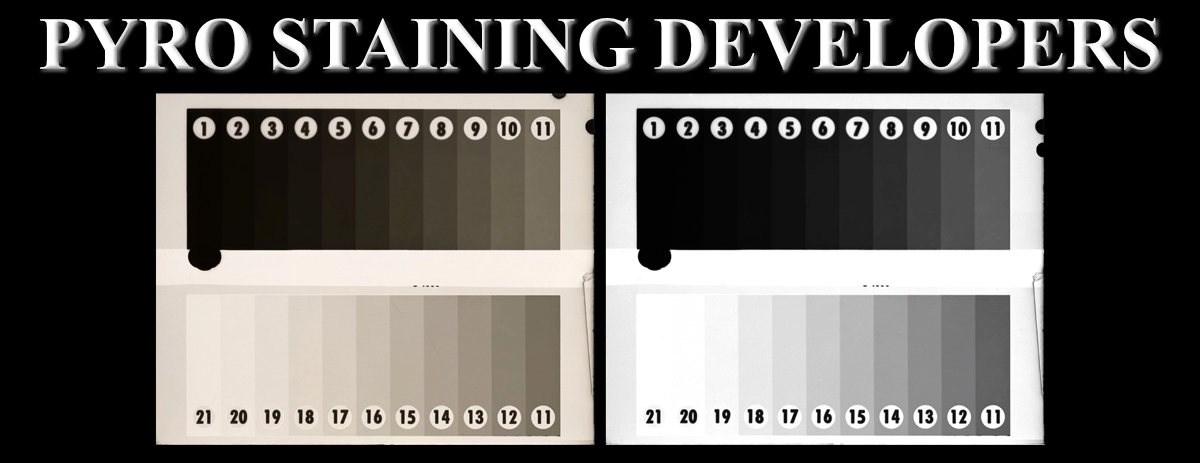
The first time I used pyrogallol was unforgettable. During lunchtime on a hot summer day in 1970, I left work and climbed a hill nearby to expose some test negatives. That evening, I tray processed the 4×5 Plus-X in Kodak D-1, a classic version of “ABC Pyro.” When I turned on the light, what I saw made my heart pound. The negatives were beautiful: tones were spectacularly differentiated throughout the density range, especially in the highlights. And what sharpness! I knew I’d finally found my developer.*
-John Wimberly-
* “PyroTechnics Plus: Formulating a New Developer” by John Wimberly, Photo Techniques Magazine, March/April 2003, p.34-37
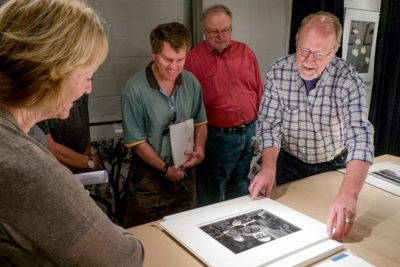 If you are in the D/FW area and are serious about film photography, our dear friend Alan Ross will be teaching a darkroom printing workshop at the Dallas Center for Photography in February. This is an opportunity to spend time in the darkroom with a master printer and former assistant to Ansel Adams. It’s a real treat to have Alan in the area teaching his 4 day workshop “Crafting The Fine Print.”
Go to the Dallas Center for Photography website for more info. Special early registration pricing expires 01/22/2018.
This is an intensive darkroom printing workshop with Alan Ross, master printer and Ansel Adams assistant. In cooperation with Sun to Moon Gallery Photography Workshops.

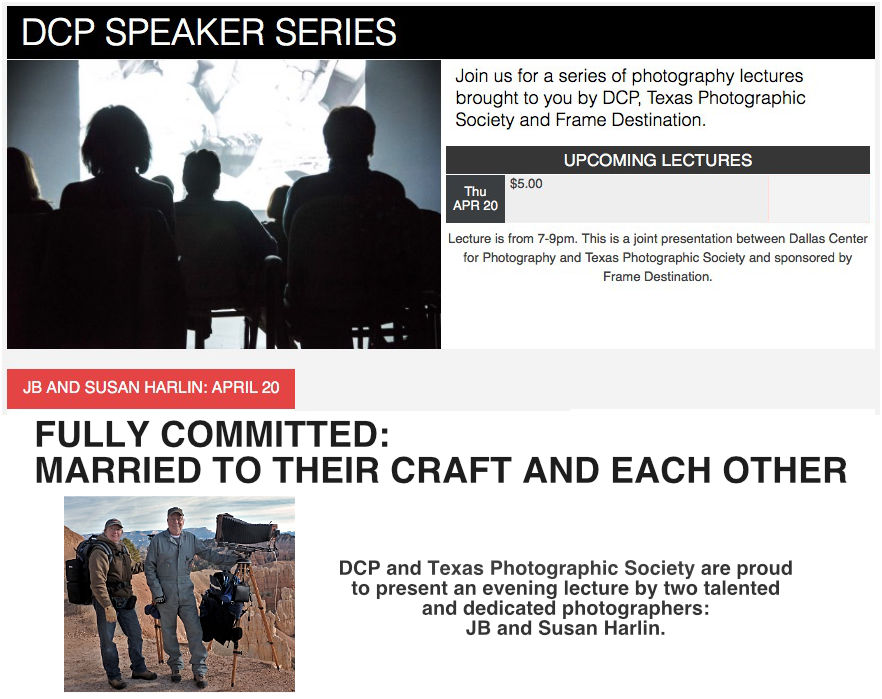
 “It is a truism that the more skillful the photograph, the more invisible the art of creation. If the photographer had done a competent job, his insights become so lucid, universal and accessible that they seem to belong to the observer of his work. What follows, then, is the assumption that the viewer could have produced the work. This, in spite of all evidence to the contrary, is why the myth endures that the photographer merely pulls out a picture as a dentist extracts a tooth.”
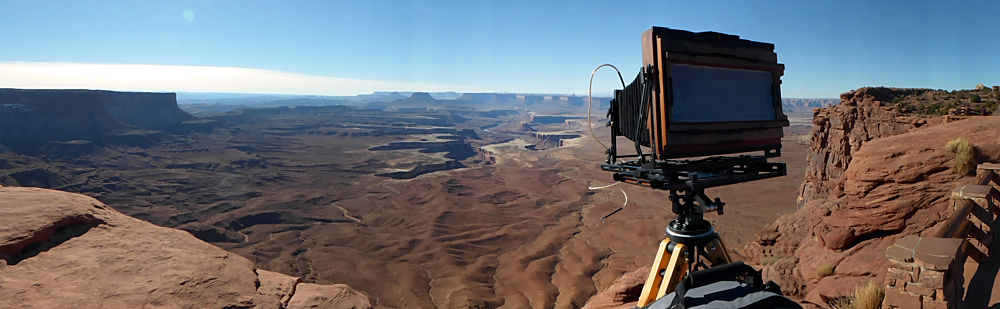
I believe that people think I must spend most of my time building and testing. It is true that I do spend time in my shop building and modifying equipment. I spend a lot of time in the darkroom testing and experimenting with the photographic process. But believe me, I only do what is necessary to make my images say what I want. It is about finding what works, and making it work the way I want. I like to think of the technique as being transparent. I do not want the process to get in the way when I am out working. I want to concentrate, without distraction, as much of my working time as possible on my subject. I do not want to be distracted with the process.
We have had very few malfunctions on the road with the equipment. I attribute that to being aware, and up to date with keeping everything in proper operating condition well before we head out. Most problems we have had in the field are minor, mostly adjustment related and are taken care of once we return home. We do spend a lot of time in preparation for a long photography trip. Details are worked out well before we leave. Everything from a detailed calendar, hotel reservations, cleaning and testing equipment, loading film holders, even down to a packing check list. But that is all part of good planning.
This is what must be done before hand to help insure your creativity once in the field. You have to get all of the technical stuff out of the way. That is where you start. Learn the process. . . make it your own and do not let it get in the way of your creativity. Get all of the logistics organized and out of the way. Your technique should be as transparent as possible.