Recently Susan and I went to a presentation from a local photographer that works for one of the camera stores. Or should I say computer store, since all he seemed to talk about was the latest computerized camera. This month’s do everything offering. That aside, I really don’t care how you make your photographs. That is your business and this is not another digital versus film discussion. What interests me is the idea of color versus black and white. And it isn’t only my opinion that you will be bored to hear me yap about.
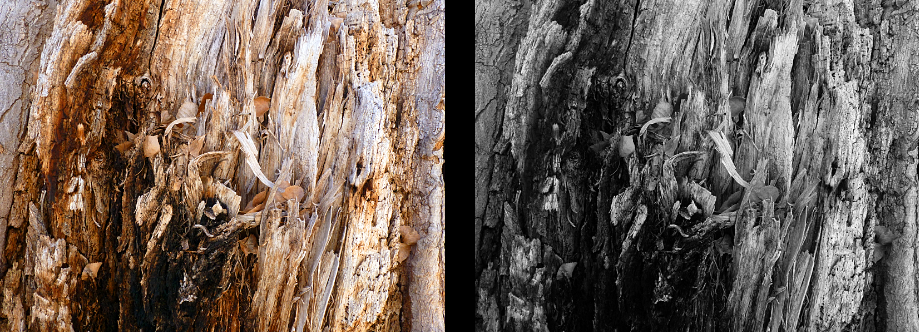
What we saw was about an hour of the presenting photographer’s work. I’ll not even comment on that either. During the presentation there were several examples showing how color photos could be transformed into black and white. This presenter showed several examples of the original, then the black and white, followed by a side by side of the two.
What made my entire day, or should I say evening, was the comment from a couple sitting just behind us. One whispered to the other, “look at how much more detail there is in the black and white.” I could have jumped up and screamed YES! But, of course I didn’t. What I immediately thought was, here is one person in this room of 50 to 60 people that ‘gets it!’
Yep. . . I love black and white!!!
JB
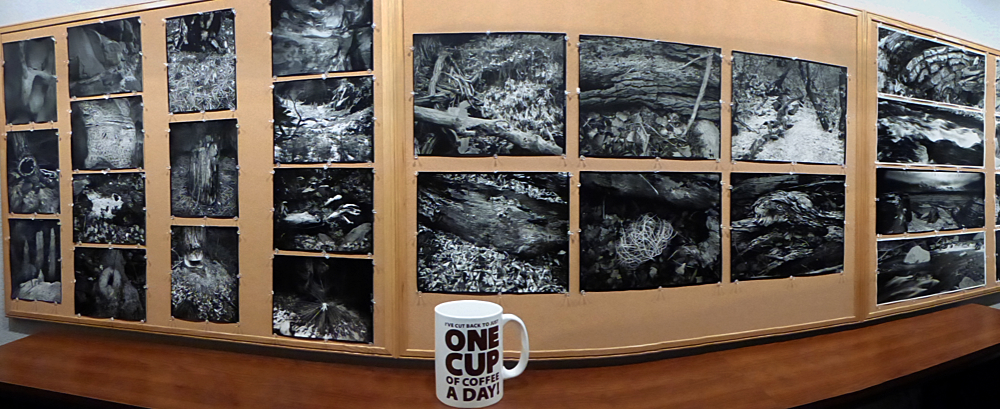
NOTE: The example photo above is not one from the presentation mentioned. It is an example of one of JB’s photographs. Naturally, the depth, feeling and presence of the actual finished B&W print is lost in this representation. Depending on the resolution of your viewing screen, hopefully the idea remains.

 The scientist is absorbed in the process, while the artist is obsessed with the results.
 Here is another one of those subjects that seem to come up and usually divides those that participate in the discussion into two distinct camps. Do you pre-soak your film, or not? For me, there is no other choice when processing sheet film. I process in trays, multiple sheets, using the shuffle method. I have done this for as long as I have been using sheet film. In fact, I have always pre-soaked film, even back in the days I processed 35mm and roll film in a tank.
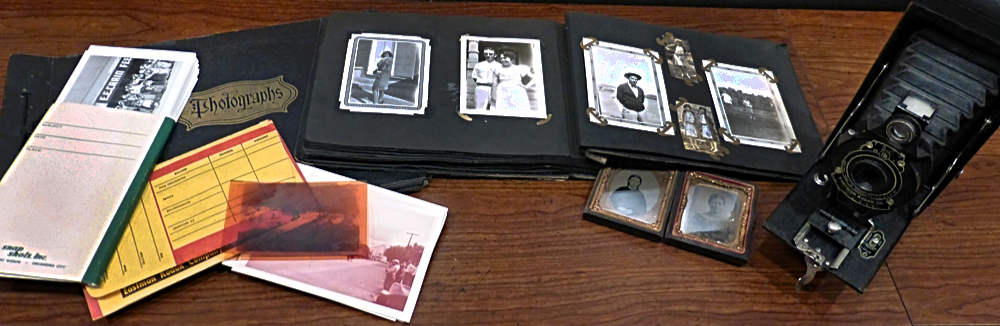
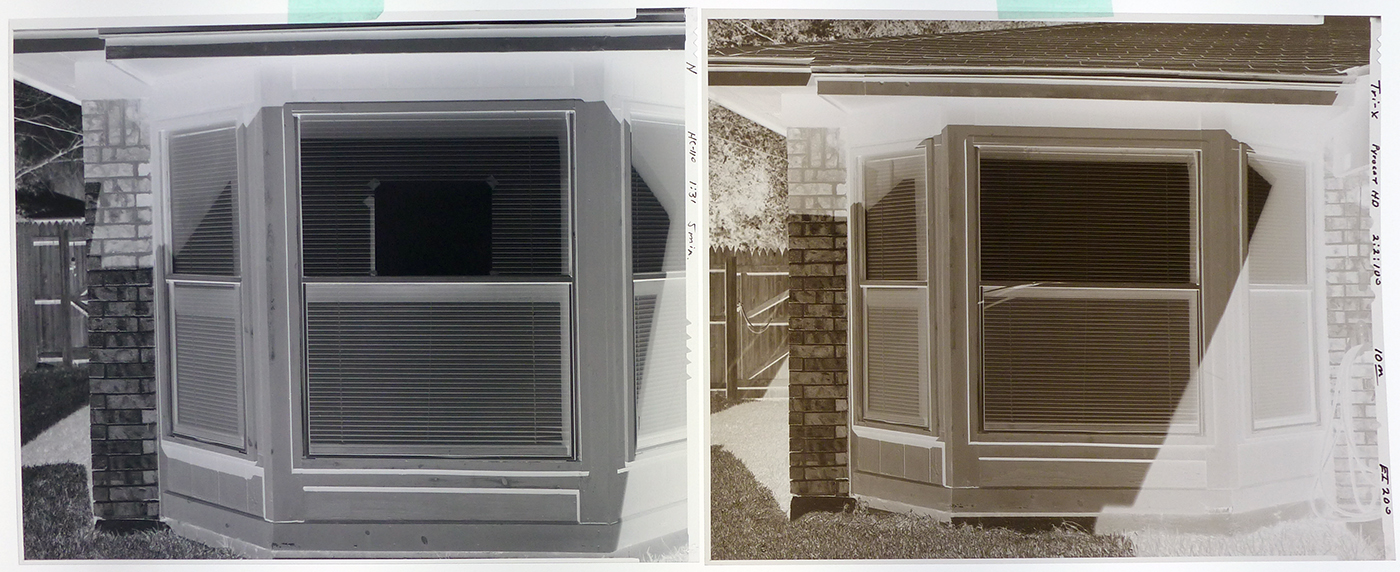 When we first started working with Pyro developers it took some time to realize exactly how the different look and feel of the film would translate into the finished print. There are those that say there is no difference between different film developers. They may also say there is no difference in the film you choose. That is like saying there is no difference between Ford and Chevy; no difference between red or white wine. Maybe for some this may be the case. But for those that take the time to really look and absorb the image, there is always a difference. Fred Picker said, “different is not the same!”
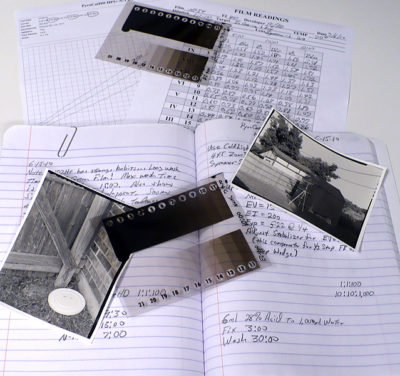 Over the past 20 or so years Pyro film developers have again become popular, with modern reformulations for modern film. John Wimberley, Gordon Hutchings, Sandy King, Jay DeFehr, among others, have done a lot of research and have formulated numerous reincarnations of Pyro film developers, specifically designed for use with modern film. Steve Sherman, Bob Herbst, Michael A. Smith and Steve Simmons have written extensively about Pyro developers and their unique qualities. Susan and I have made our choice based on our own real world experiences. We join with the many others that are also Pyro developer users.